

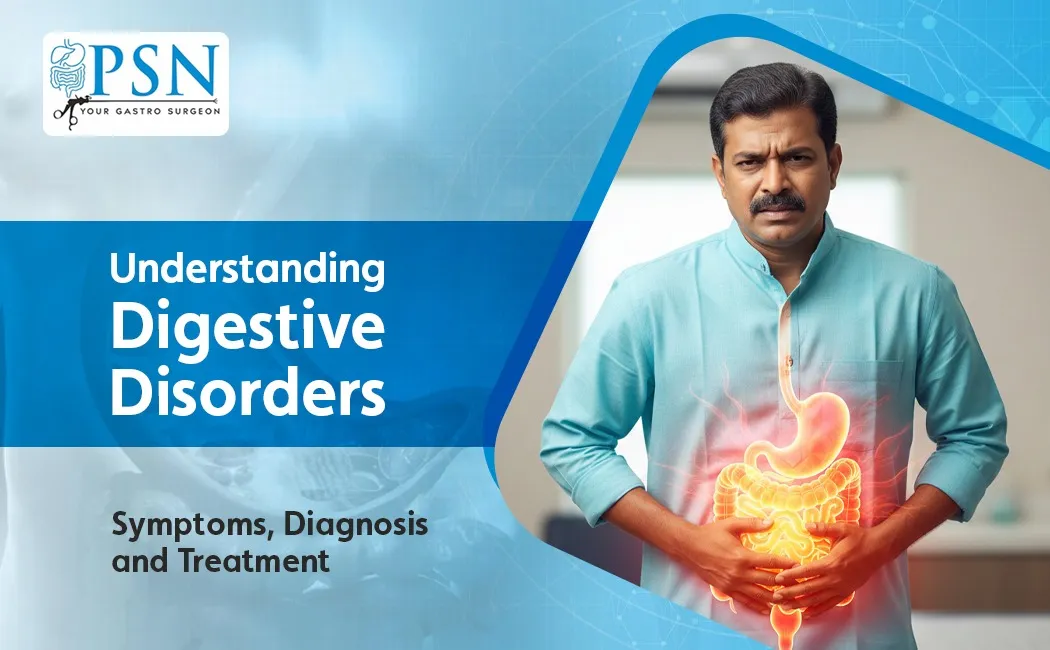
Understanding Digestive Disorders: Symptoms, Diagnosis, and Treatment
Digestive disorders are common conditions that can significantly impact your daily life, causing discomfort and affecting your overall well-being. Early diagnosis and treatment are crucial for managing these conditions. Gastroenterology services play a vital role in diagnosing and treating digestive disorders, offering specialized care and treatment options. Whether it's issues like irritable bowel syndrome (IBS), celiac disease or gastroesophageal reflux disease (GERD), proper care and management can help alleviate symptoms and improve quality of life.
What Are the Most Common Digestive Disorders?
Digestive disorders vary widely, but some of the most common include:
- Irritable Bowel Syndrome (IBS): A chronic condition that causes symptoms like abdominal pain, bloating and irregular bowel movements.
- Gastroesophageal Reflux Disease (GERD): A condition where stomach acid frequently flows into the esophagus, leading to symptoms like heartburn.
- Celiac Disease: An autoimmune disorder where the ingestion of gluten damages the small intestine lining.
- Crohn's Disease: An inflammatory bowel disease that causes inflammation of the digestive tract, leading to symptoms like diarrhea and weight loss.
- Gallstones: Hard deposits that form in the gallbladder, often causing pain and digestive issues.
How Are Digestive Disorders Diagnosed?
Diagnosis of digestive disorders typically involves a combination of medical history review, physical examination and diagnostic tests. These tests may include:
- Endoscopy: A procedure where a flexible tube with a camera is used to view the digestive tract for signs of damage or disease.
- Blood Tests: Used to check for infections, inflammation or markers of certain conditions like celiac disease.
- Imaging Tests: CT scans or ultrasounds may be used to examine the stomach, intestines and other digestive organs for abnormalities.
- Stool Tests: Help detect infections, digestive enzymes or blood in the stool that may indicate a disorder.
Gastroenterology services specialize in these diagnostic tests, ensuring accurate results and a clear path to treatment.
What Are the Treatment Options for Digestive Disorders?
Treatment for digestive disorders varies depending on the specific condition but may include:
- Medications: To manage symptoms like acid reflux, inflammation or infection. Common medications include proton pump inhibitors (PPIs) for GERD or anti-inflammatory drugs for conditions like Crohn's disease.
- Dietary Changes: Certain conditions like IBS or celiac disease require specific dietary modifications to avoid triggers like gluten or high-fat foods.
- Surgery: In severe cases, such as with gallstones or certain inflammatory bowel diseases, surgery may be necessary to remove damaged tissues or organs.
- Probiotics and Supplements: For some digestive disorders, taking probiotics or enzyme supplements can improve gut health and digestion.
Gastroenterology services are essential in developing a comprehensive treatment plan that addresses the symptoms and underlying causes of digestive disorders.
Can Digestive Disorders Be Prevented?
While not all digestive disorders can be prevented, some lifestyle changes can help reduce the risk. These include:
- Healthy Diet: Eating a balanced diet rich in fiber and low in processed foods can improve digestive health.
- Regular Exercise: Physical activity helps maintain a healthy weight and promotes better digestion.
- Hydration: Drinking plenty of water aids in digestion and prevents constipation.
- Stress Management: Reducing stress can help manage conditions like IBS, which are often triggered by stress.
How Can Lifestyle Changes Help Manage Digestive Disorders?
Lifestyle modifications are key in managing many digestive disorders. Consider the following tips:
- Avoid Trigger Foods: For conditions like GERD or IBS, identifying and avoiding trigger foods like spicy dishes, caffeine or dairy can greatly reduce symptoms.
- Eat Smaller Meals: Eating smaller, more frequent meals can ease digestion and prevent overeating, which may exacerbate symptoms.
- Quit Smoking: Smoking can worsen conditions like GERD and increase the risk of developing digestive issues.
- Manage Stress: Practices like yoga, meditation and regular exercise can help reduce stress and its impact on your digestive health.
Frequently Asked Questions (FAQs)
1. What are the signs of a digestive disorder?
Signs of a digestive disorder can include chronic abdominal pain, bloating, irregular bowel movements, nausea, heartburn and unintentional weight loss.
2. How is GERD treated?
GERD is typically treated with medications like antacids or PPIs to reduce stomach acid production, along with dietary changes and lifestyle modifications like weight loss and avoiding trigger foods.
3. Is IBS a lifelong condition?
Yes, IBS is a chronic condition, but symptoms can be managed with medication, dietary changes and stress management.
4. Can celiac disease be cured?
There is no cure for celiac disease, but it can be managed effectively by following a strict gluten-free diet to prevent damage to the small intestine.
5. How do I know if I need a gastroenterologist?
If you experience ongoing digestive issues such as chronic pain, bloating or changes in bowel habits, it’s important to consult with a gastroenterologist for proper diagnosis and treatment.
Conclusion
Digestive disorders can affect your daily life, but with proper care and treatment, many of these conditions can be managed effectively. Gastroenterology services offer expert care in diagnosing and treating digestive issues, helping patients manage their symptoms and improve their quality of life. If you’re experiencing digestive discomfort, it’s important to seek expert care to get a proper diagnosis and tailored treatment.
For personalized Gastroenterology services, consult Dr. PSN today for comprehensive care.

 Call Now

