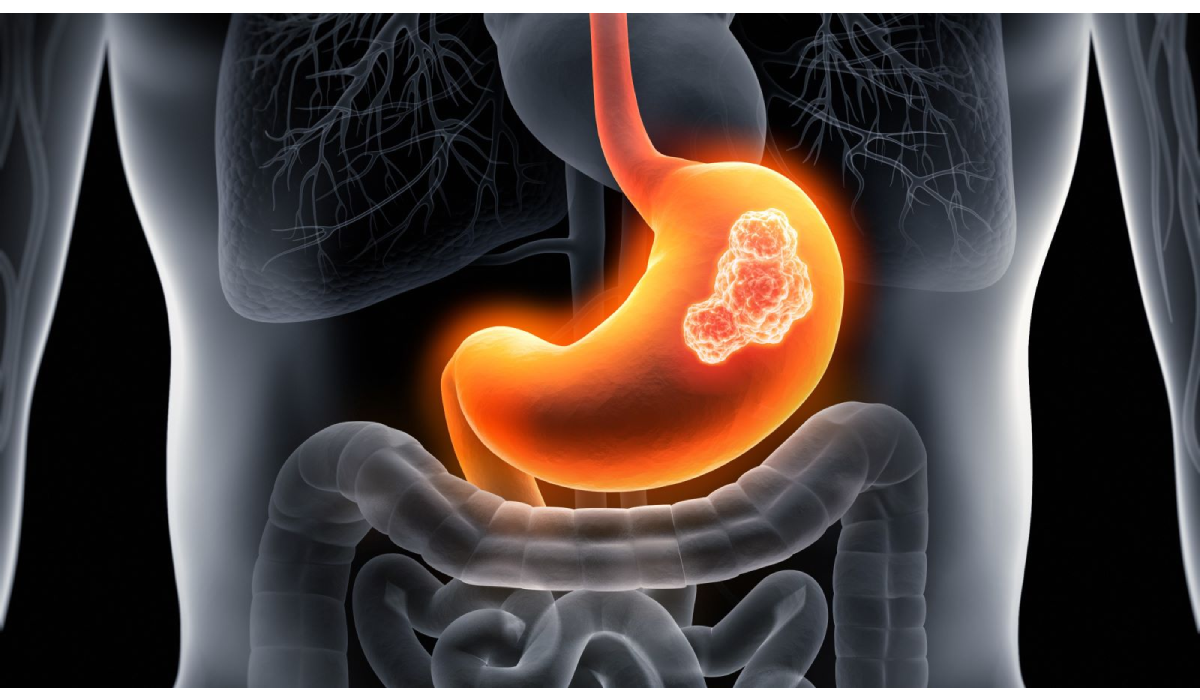
Advanced GI Cancer Care with
Compassion & Precision

  • Comprehensive, personalized and technologically advanced treatment for stomach (gastric) cancer.
image

About GI Cancer & Our Approach

What contributes to GI cancer?

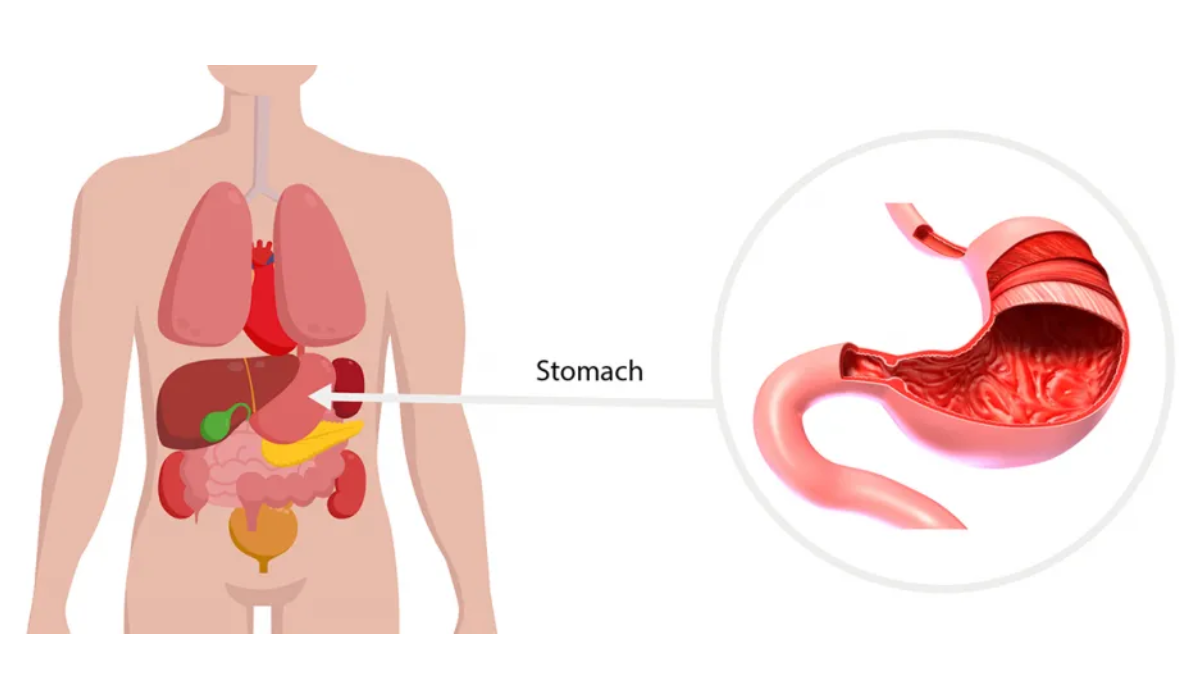
Our gastrointestinal (GI) system begins at the food pipe (esophagus) and ends at the anus. This complex system includes several vital organs. Cancer affecting any of these organs requires specialized and comprehensive treatment:

The primary treatment modality for most GI cancers is surgery, which may be supplemented with chemotherapy and radiation therapy, either before or after surgery. A combined approach incorporating surgery, radiation, chemotherapy, and when appropriate, advanced options like immunotherapy and targeted therapy can significantly improve treatment outcomes.

Each organ in the gastrointestinal system has unique characteristics and treatment requirements.
image
image

When to Seek Medical Attention

Reach out to a specialist if you experience:

Early diagnosis can significantly improve treatment outcomes.

Our Patient-Centric Approach

At PSN, we provide holistic, multidisciplinary care for GI Cancer - combining advanced diagnostics, surgical expertise, oncology, nutrition and psychosocial support.

With state-of-the-art facilities like 4K laparoscopy, 3D imaging and da Vinci Robotic Surgery, we offer precision-based, minimally invasive treatments that improve outcomes and recovery.

Our expert team believes in compassionate care, transparent communication and active involvement of patients and families in every step.

Treatment @ PSN

Multidisciplinary Care Approach:

Every patient’s case is reviewed by a team of experts including surgical oncologists, medical oncologists, gastroenterologists, radiologists, pathologists and nutritionists.

Advanced Surgical Expertise:
Treatment Options:

Why Choose PSN?

Preparing for Your Visit

Patient FAQ

Q: Is chemotherapy always required for GI cancer?
A: No, not always. It depends on the type and stage of the cancer. We will recommend the best treatment plan for your specific case.

Q: Are all tumors in the digestive system cancerous?
A: No, not all tumors are cancerous. Some may be benign (non-cancerous), but they still might need treatment depending on their size, location and symptoms.

Q: Can GI cancer be treated with laparoscopic surgery?
A: In many cases, yes. Laparoscopic (minimally invasive) surgery can be used for certain types and stages of GI cancer, offering smaller incisions, faster recovery and less pain.

Schedule a Consultation

If you or a loved one has been diagnosed with GI Cancer or is experiencing symptoms, we're here to guide you through every stage of care.

Book Appointment
whatsapp-icon
call-nowCall Now WhatsApp WhatsApp Book Appointment Book Appt.