

Does Laparoscopy Hurt? Myths vs Facts Explained
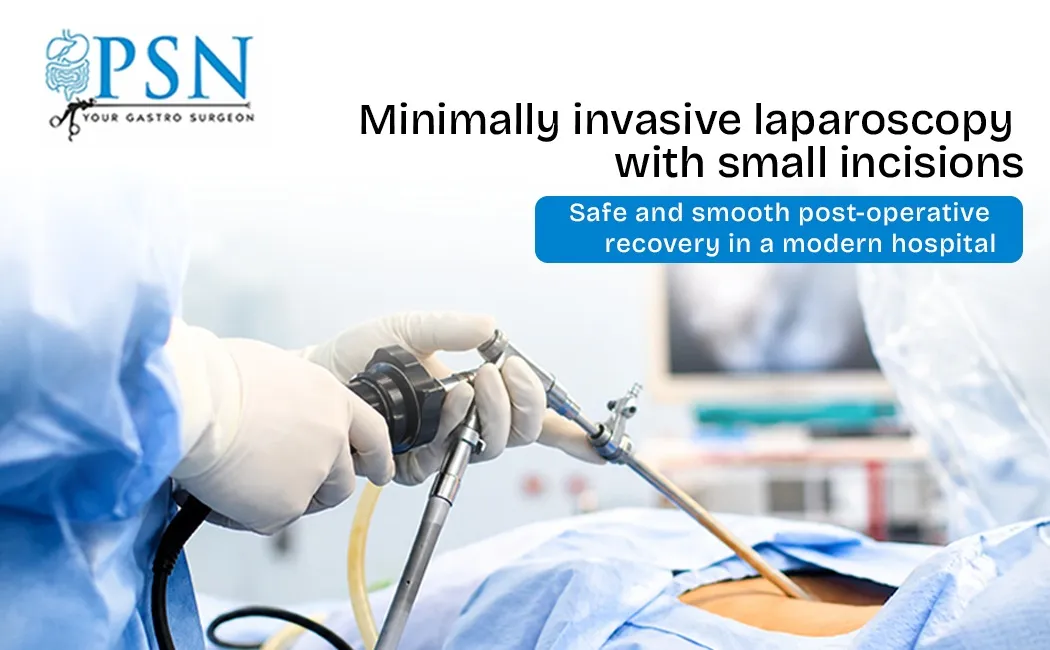
Laparoscopic surgery, often called minimally invasive surgery, has transformed the way surgeons approach abdominal and hernia procedures. Many patients fear pain and prolonged recovery, but understanding the reality is essential. For anyone considering Hernia Surgery in Chennai, knowing what to expect can reduce anxiety and improve outcomes.
Dr.PSN explains, “Laparoscopy is designed to reduce tissue trauma and minimize post-operative discomfort. Most patients report only mild soreness and their recovery is significantly faster than traditional surgery.â€
This article provides an in-depth analysis of common concerns, evidence-backed facts and practical guidance.
Does Laparoscopy Cause Severe Pain?
Pain perception after laparoscopy is often overestimated. Here’s what medical studies and clinical experience show:
- Smaller Incisions: Laparoscopic surgery uses 3–5 small incisions, usually less than 1 cm, instead of a large open incision. Less tissue disruption directly reduces pain.
- Controlled Anesthesia: General anesthesia or sedation ensures patients experience no pain during the procedure. Post-operative discomfort is usually mild and short-lived.
- Post-Surgical Pain Patterns:
- Mild abdominal soreness near incision sites.
- Shoulder pain or bloating may occur due to residual carbon dioxide used to inflate the abdominal cavity for visibility.
- Pain usually peaks in the first 12–24 hours and declines rapidly over 2–3 days.
- Pain Management: Analgesics, anti-inflammatories and sometimes local anesthetic injections at incision sites effectively manage discomfort.
Clinical evidence consistently shows that laparoscopic patients experience less pain than traditional open surgery patients, often needing fewer pain medications.
Is Recovery Really Faster Than Traditional Surgery?
One of laparoscopy’s most significant benefits is reduced recovery time:
- Hospital Stay: Many patients are discharged within 24 hours after hernia laparoscopic surgery, whereas open surgery may require 2–4 days.
- Return to Daily Life: Light activities such as walking can start immediately. Office work or sedentary activities often resume within 1–2 weeks.
- Physical Rehabilitation: Gradual increase in physical activity is encouraged. Exercises like walking or stretching improve circulation, reduce adhesions and accelerate healing.
- Reduced Complications: Smaller incisions decrease infection risk and minimize post-operative adhesions.
Dr.PSN notes, “Faster recovery is not just about leaving the hospital sooner; it’s about regaining normal function safely and comfortably. Patients can resume their routines quickly without compromising surgical outcomes.â€
Can Pain Be Completely Avoided?
Complete elimination of discomfort is unrealistic, but strategic care reduces pain significantly:
- Strict Adherence to Post-Operative Instructions: Patients should avoid lifting heavy objects, sudden movements or vigorous exercise in the first 1–2 weeks.
- Medication Compliance: Prescribed analgesics and anti-inflammatories help control pain effectively.
- Lifestyle Modifications: Adequate hydration, light diet and early ambulation aid recovery and comfort.
- Supportive Measures: Using warm compresses for mild muscular discomfort and ensuring proper rest can accelerate healing.
Following these strategies ensures a comfortable, manageable recovery period.
Are There Risks Associated With Laparoscopy?
No surgery is risk-free. Laparoscopy is safer than open surgery, but patients should be aware of possible complications:
- Minor Risks:
- Small incision site bleeding or superficial infection.
- Temporary bloating or shoulder discomfort from residual COâ‚‚.
- Rare Complications:
- Injury to internal organs (rare, <1% in experienced hands).
- Hernia recurrence or mesh-related issues (in hernia surgery).
- Long-Term Outcomes: Laparoscopy generally results in fewer adhesions, smaller scars and faster healing.
Patient selection and surgeon experience play a critical role in minimizing these risks. Experienced laparoscopic surgeons, like those performing Hernia Surgery in Chennai, maintain complication rates well below 1–2%.
Does Laparoscopy Require General Anesthesia?
- Most hernia laparoscopic surgeries are performed under general anesthesia for safety and complete comfort.
- Local anesthesia with sedation may be considered in selected minor procedures or for patients with specific medical concerns.
- Anesthesia choice is individualized based on patient health, surgical complexity and intraoperative requirements.
FAQs
1. How soon can I resume normal activities after laparoscopy?
Light activity can begin within 1–2 days; regular work resumes in 1–2 weeks, while full physical activity may take 4–6 weeks.
2. Are there dietary restrictions after surgery?
Soft, easily digestible foods are recommended initially. Gradual return to normal diet as tolerated is advised.
3. Will the scars be visible?
Incisions are minimal, usually 0.5–1 cm and scars fade with time. Cosmetic outcomes are far better than open surgery.
4. Can laparoscopy treat recurrent hernias?
Yes. Experienced surgeons can perform laparoscopic repair even for recurrent hernias, reducing complications and recovery time.
5. How is post-operative pain managed at home?
Pain management includes prescribed medications, gentle activity, hydration and following surgeon guidance carefully.
Conclusion
Laparoscopic surgery is a safe, minimally invasive and effective approach for hernia and abdominal procedures. Severe post-operative pain is largely a myth. Patients undergoing Hernia Surgery in Chennai benefit from:
- Smaller incisions, less tissue trauma.
- Faster recovery and early return to normal life.
- Lower risk of complications compared to traditional surgery.
Choosing an experienced surgeon ensures safety, precision and comfort. Dr.PSN emphasizes, “Modern laparoscopic techniques allow patients to recover efficiently while experiencing minimal discomfort, making surgery less stressful and more effective.â€
Book your consultation with Dr.PSN today for expert care. Experience minimally invasive surgery with a safe and smooth recovery.

 Call Now

