

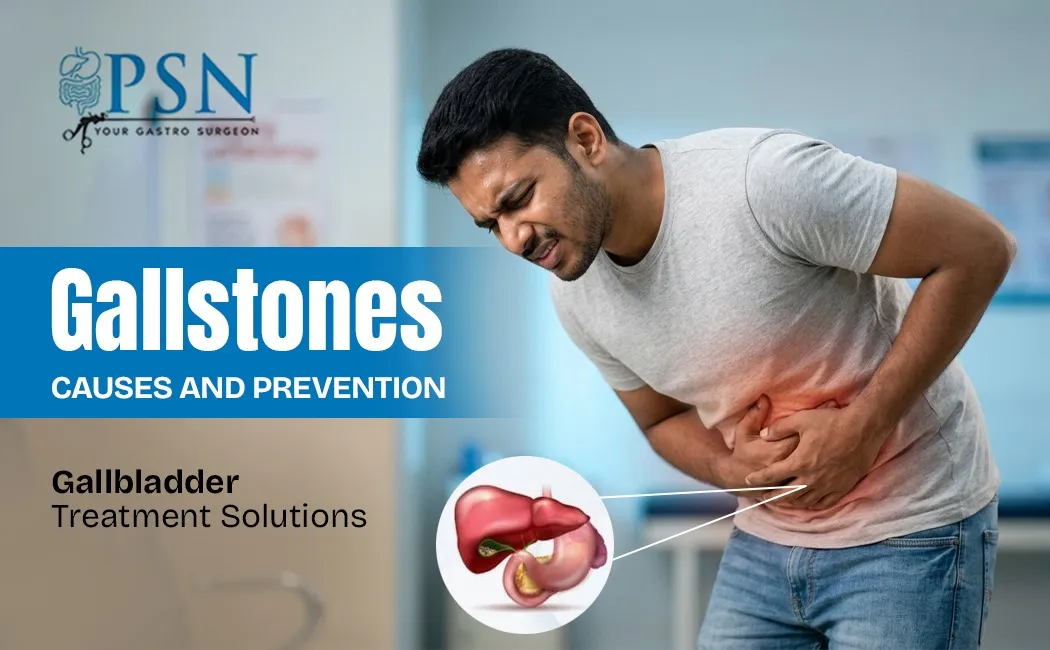
How Do Gallbladder Stones Form and How Can You Prevent Them?
Gallbladder stones, also known as gallstones, are hardened deposits that form in the gallbladder due to imbalances in digestive substances. These stones can range from tiny grains to larger, painful formations that may block bile flow. Understanding how gallstones develop and how to prevent them is essential for maintaining digestive health and in some cases, timely Gallbladder Treatment becomes necessary to avoid complications.
What causes Gallbladder Stones to form?
Gallstones form when there is an imbalance in the substances that make up bile. Common causes include:
- Excess cholesterol in bile
- High levels of bilirubin
- Incomplete emptying of the gallbladder
- Poor diet high in fats and low in fiber
These factors contribute to the crystallization process, eventually leading to stone formation.
Who is at risk of developing Gallstones?
Certain individuals are more prone to gallstones due to lifestyle and biological factors:
- Overweight or obese individuals
- Women, especially during pregnancy
- People over 40 years of age
- Those with a family history of gallstones
- Individuals with sedentary lifestyles
Recognizing these risk factors early can help in taking preventive measures and seeking appropriate Gallbladder Treatment when needed.
What are the symptoms of Gallbladder Stones?
Gallstones may remain silent for years, but when symptoms appear, they can include:
- Sudden and intense abdominal pain
- Pain in the upper right abdomen
- Nausea or vomiting
- Indigestion and bloating
- Jaundice in severe cases
Symptoms often occur when a stone blocks the bile duct, requiring prompt medical attention.
How can you prevent Gallbladder Stones?
Prevention focuses on maintaining a healthy lifestyle and balanced diet:
- Eat a balanced diet: Include fiber-rich foods like fruits and vegetables
- Maintain a healthy weight: Avoid rapid weight loss
- Stay physically active: Regular exercise supports digestion
- Limit fatty foods: Reduce intake of fried and processed foods
Making these changes can significantly lower the risk and reduce the need for Gallbladder Treatment.
What are the treatment options for Gallstones?
Treatment depends on the severity and symptoms:
- Medications: To dissolve smaller stones (less common)
- Lifestyle modifications: For mild cases
- Surgical removal (cholecystectomy): Most effective solution
Modern treatments are safe and minimally invasive, ensuring faster recovery and long-term relief.
Frequently Asked Questions (FAQs)
1. What are gallstones made of?
Gallstones are usually made of cholesterol or bilirubin, forming when there is an imbalance in bile composition.
2. Can gallstones go away without treatment?
In some cases, small stones may not cause symptoms, but they typically do not disappear on their own.
3. How do I know if I have gallstones?
A doctor may diagnose gallstones through imaging tests like ultrasound when symptoms such as abdominal pain occur.
4. Is surgery the only option for gallstones?
Not always, but surgery is the most common and effective treatment for symptomatic gallstones.
5. Can diet alone prevent gallstones?
A healthy diet can reduce the risk, but it may not completely prevent gallstones in all individuals.
Conclusion
Gallbladder stones can develop silently but may lead to severe discomfort and complications if left untreated. Understanding their causes, symptoms and prevention strategies is key to maintaining good digestive health. When symptoms become significant, seeking timely Gallbladder Treatment ensures effective management and long-term well-being.
Take a step toward better digestive health with expert care and guidance. Trust Dr. PSN for advanced diagnosis and personalized treatment solutions.

 Call Now

