

What Are Gallbladder Stones and How Can They Be Treated?
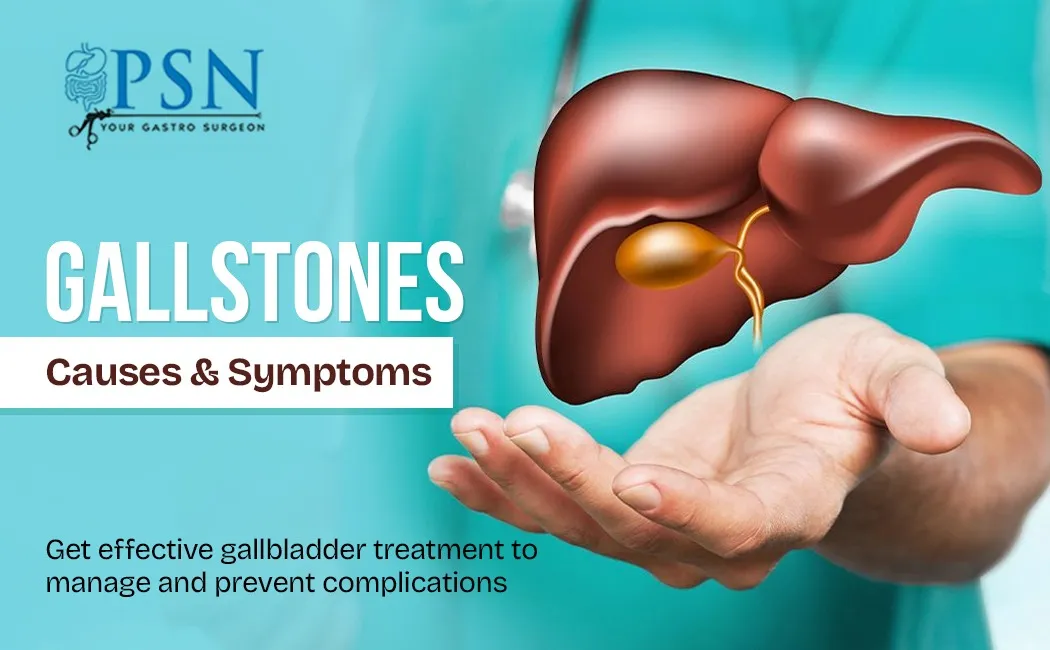
Gallbladder stones, also known as gallstones, are hardened deposits of bile that can form in the gallbladder, a small organ beneath the liver. While some people may not experience symptoms, gallstones can cause significant discomfort when they block the flow of bile. Gallbladder treatment is essential for managing these stones, especially when they lead to painful conditions such as gallbladder attacks or infections. In this blog, we will discuss what gallstones are, how they form and the most effective treatments available.
What causes Gallstones to form?
Gallstones form when there is an imbalance in the substances that make up bile, which is stored in the gallbladder. There are two main types of gallstones:
- Cholesterol stones: These form when there is too much cholesterol in the bile.
- Pigment stones: These form when there is excess bilirubin, a waste product of red blood cells.
Certain risk factors can increase the likelihood of developing gallstones, such as obesity, pregnancy and certain medical conditions.
What are the symptoms of Gallstones?
Gallstones can remain asymptomatic for years, but they can cause pain or other complications when they block the bile ducts. Common symptoms include:
- Sudden, intense pain in the upper abdomen.
- Nausea and vomiting.
- Indigestion, especially after eating fatty foods.
- Jaundice, which is a yellowing of the skin and eyes.
If you experience any of these symptoms, it’s essential to seek medical attention for proper diagnosis and Gallbladder treatment.
How are Gallstones diagnosed?
Gallstones are typically diagnosed through imaging tests such as:
- Ultrasound: The most common method for detecting gallstones.
- CT scan: Used if an ultrasound is inconclusive.
- Endoscopic retrograde cholangiopancreatography (ERCP): Used to check for blockages in the bile ducts.
Once a diagnosis is made, your doctor will recommend the best course of action based on the severity of your condition.
What are the treatment options for Gallstones?
Gallbladder treatment options depend on the severity of the symptoms. For some, lifestyle changes may be sufficient, while others may require surgery. Treatment options include:
- Medications: Certain medications can dissolve small cholesterol gallstones.
- Lithotripsy: A procedure that uses sound waves to break up the stones.
- Surgery: In many cases, surgery to remove the gallbladder (cholecystectomy) is the most effective treatment. This can be done laparoscopically, which is minimally invasive.
How can Gallstones be prevented?
While not all gallstones are preventable, certain lifestyle changes can reduce your risk:
- Maintain a healthy weight.
- Eat a balanced diet with plenty of fiber.
- Avoid rapid weight loss, which can increase the risk of gallstones.
Frequently Asked Questions (FAQs)
1. What are the types of gallstones?
There are two main types: cholesterol stones and pigment stones.
2. Are gallstones always painful?
No, many people with gallstones don’t experience any symptoms.
3. Can gallstones be dissolved with medication?
In some cases, medications can dissolve small cholesterol stones, but surgery may be required for larger stones.
4. Is surgery the only option for treating gallstones?
Surgery is often the most effective treatment, but there are other options, such as medication and lithotripsy, depending on the situation.
5. What lifestyle changes can help prevent gallstones?
Eating a balanced diet, maintaining a healthy weight and avoiding rapid weight loss can help reduce the risk.
Conclusion
Gallstones can be a painful and serious condition, but with the right diagnosis and Gallbladder treatment, they can be effectively managed. If you suspect you have gallstones, it's important to consult with a healthcare provider who can recommend the most appropriate treatment based on your condition. Early intervention can prevent further complications and help you maintain a healthy lifestyle.
If you're experiencing symptoms of gallstones, don’t wait to seek help. Book a consultation today with Dr.PSN to discuss your Gallbladder treatment options.

 Call Now

