

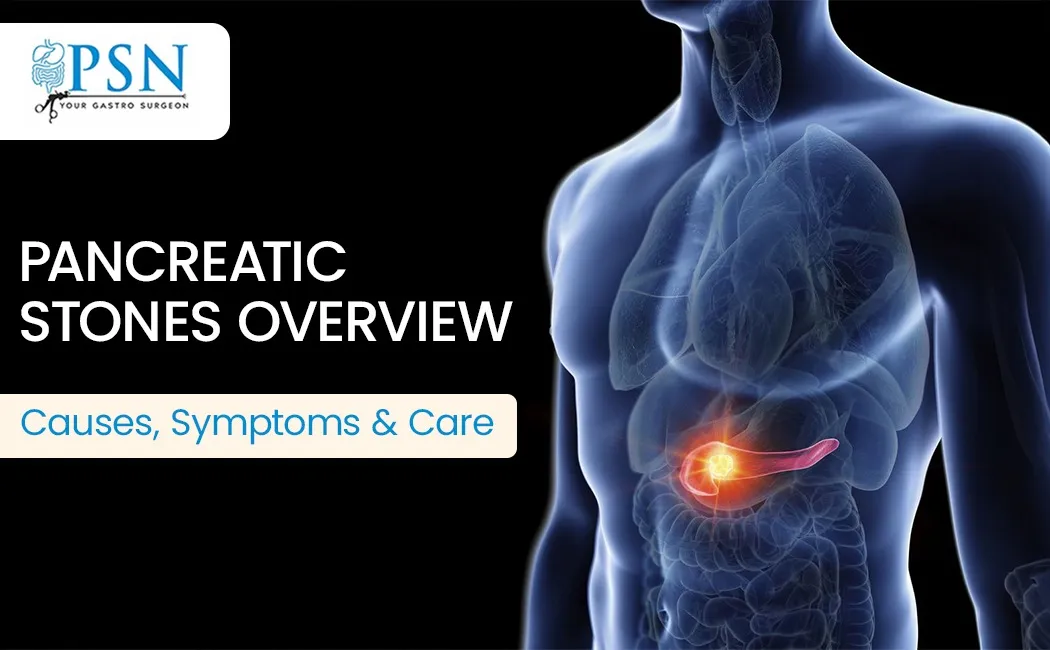
How do Pancreatic Stones form and what do they mean for your health?
Pancreatic stones are hard deposits that develop within the pancreas, often associated with chronic inflammation or long-term digestive issues. These stones can block the flow of digestive enzymes, leading to pain and complications if not treated early. Understanding their formation and impact is essential and timely Pancreatic Stone Treatment plays a crucial role in preventing serious health problems.
What are Pancreatic Stones?
Pancreatic stones are calcified deposits that form in the pancreatic ducts. They can vary in size and may partially or completely block the duct.
Key Characteristics:
- Formed due to calcium buildup
- Common in chronic pancreatitis patients
- Can obstruct enzyme flow
- May cause severe abdominal pain
How do Pancreatic Stones form?
Pancreatic stones usually develop as a result of long-term inflammation in the pancreas.
Common Causes:
- Chronic pancreatitis
- Alcohol consumption
- Genetic factors
- Poor dietary habits
- Metabolic disorders
Over time, protein deposits accumulate and calcify, forming stones that require appropriate Pancreatic Stone Treatment.
What symptoms do Pancreatic Stones cause?
Symptoms may vary depending on the size and blockage caused by the stones:
- Severe upper abdominal pain
- Pain radiating to the back
- Nausea and vomiting
- Weight loss
- Difficulty digesting fatty foods
These symptoms often worsen after meals and should not be ignored.
How do Pancreatic Stones affect your health?
If left untreated, pancreatic stones can lead to serious complications:
- Chronic pain: Persistent discomfort affecting daily life
- Digestive issues: Poor absorption of nutrients
- Diabetes risk: Damage to insulin-producing cells
- Infections: Due to blocked pancreatic ducts
Early diagnosis and Pancreatic Stone Treatment can help prevent these complications and improve quality of life.
What are the treatment options available?
Treatment depends on the severity and location of the stones:
Non-Surgical Options:
- Pain management
- Enzyme supplements
- Dietary modifications
Advanced Treatments:
- Endoscopic removal (ERCP)
- Lithotripsy (stone breaking)
- Surgery in severe cases
Modern medical advancements have made treatment safer and more effective.
FAQs
What causes pancreatic stones?
Pancreatic stones are mainly caused by chronic inflammation of the pancreas, often linked to lifestyle and genetic factors.
Are pancreatic stones dangerous?
They can become serious if they block pancreatic ducts or lead to complications like infections or diabetes.
Can pancreatic stones be treated without surgery?
Yes, in some cases, non-surgical methods like endoscopy or medications may be effective.
What foods should be avoided with pancreatic stones?
Fatty, oily and processed foods should be limited to reduce stress on the pancreas.
Can pancreatic stones come back after treatment?
Yes, recurrence is possible, especially if underlying causes like pancreatitis are not managed.
Conclusion
Pancreatic stones are a serious condition that can significantly impact digestive health if not addressed promptly. Understanding their causes, symptoms and effects can help in early detection and effective management. With the right Pancreatic Stone Treatment, patients can find relief from pain and prevent long-term complications, ensuring better overall health.
Take control of your pancreatic health with expert care today. Trust Dr. PSN for advanced diagnosis and personalized treatment solutions.

 Call Now

