

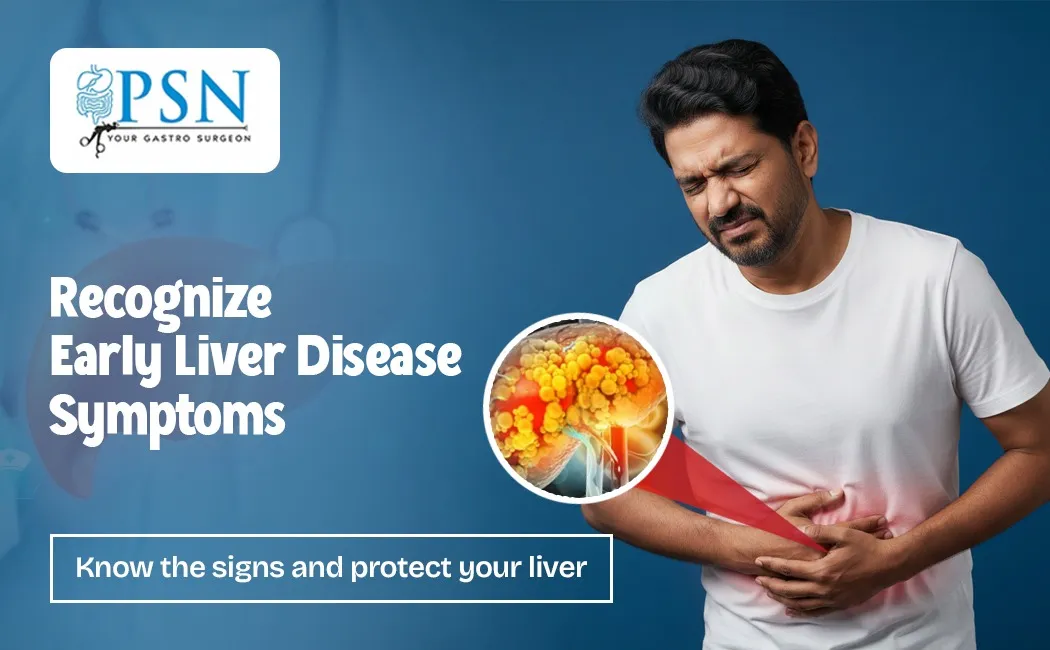
What Are the Early Symptoms of Liver Disease?
Liver disease is a condition that can silently progress without noticeable symptoms, especially in the early stages. Understanding the Liver Disease Symptoms is crucial for early detection and treatment. Many people may not recognize the signs of liver disease until the condition becomes more advanced. In this blog, we will explore the early symptoms, causes and when to seek medical attention to prevent further complications.
What are the early warning signs of liver disease?
The Liver Disease Symptoms can vary widely depending on the type and stage of the disease. However, some common signs to watch out for include:
- Fatigue and weakness: Feeling tired despite getting enough rest could be an early sign of liver problems.
- Loss of appetite: Sudden, unexplained loss of appetite can indicate liver dysfunction.
- Unexplained weight loss: Significant weight loss without a change in diet or exercise habits may be a red flag.
- Abdominal pain: Pain or discomfort in the upper right side of the abdomen could signal liver distress.
- Dark urine or pale stool: Changes in the color of your urine or stool can indicate liver issues, including bile flow problems.
How is liver disease diagnosed?
To diagnose liver disease, doctors use a combination of methods, including:
- Blood tests: To check liver enzymes and function.
- Imaging tests: Such as ultrasound or CT scans to visualize liver damage.
- Liver biopsy: In some cases, a sample of liver tissue is examined to confirm the diagnosis.
- Physical exams: A doctor may feel for signs of liver enlargement or tenderness.
What are the risk factors for developing liver disease?
Certain lifestyle factors and conditions increase the risk of developing liver disease. These include:
- Excessive alcohol consumption
- Obesity and poor diet
- Chronic viral infections (e.g., hepatitis)
- Genetic predisposition
- Exposure to toxins or chemicals
Can liver disease be prevented?
While some factors like genetics cannot be controlled, there are several ways to reduce the risk of developing liver disease:
- Maintain a healthy weight and follow a balanced diet.
- Limit alcohol consumption and avoid risky behaviors.
- Vaccination against hepatitis viruses (A, B).
- Regular exercise and avoiding exposure to harmful chemicals.
What treatment options are available for liver disease?
Treatment options for liver disease depend on the underlying cause and severity of the condition. Common treatments include:
- Medications: For viral infections, autoimmune conditions or to control symptoms.
- Lifestyle changes: Including dietary adjustments, weight management and alcohol cessation.
- Surgery: In some cases, liver transplantation or other surgical interventions may be necessary.
Frequently Asked Questions (FAQs)
1. What causes liver disease?
Liver disease can be caused by factors such as viral infections, alcohol abuse, fatty liver disease and autoimmune conditions.
2. How long does it take for liver disease to develop?
Liver disease can take years to develop and symptoms may not appear until significant damage has occurred.
3. Can liver disease be cured?
While some liver diseases are treatable, others can only be managed with medication and lifestyle changes. Liver transplantation may be necessary for severe cases.
4. Is liver disease genetic?
Some types of liver disease can run in families, but lifestyle factors and infections are more commonly the cause.
5. When should I see a doctor for liver disease symptoms?
If you notice persistent symptoms like abdominal pain, fatigue or changes in urine or stool color, it’s important to consult a healthcare provider.
Conclusion
Recognizing the Liver Disease Symptoms early is essential for managing the condition and preventing further damage to the liver. If you experience any of the signs mentioned, don’t hesitate to seek medical advice. Early intervention can make a significant difference in your treatment options and overall health. Regular check-ups and being proactive about liver health are key to avoiding severe complications.
If you suspect you’re experiencing Liver Disease Symptoms, consult Dr. PSN today for a thorough evaluation and personalized care plan. Don’t wait to take charge of your liver health now!

 Call Now

