

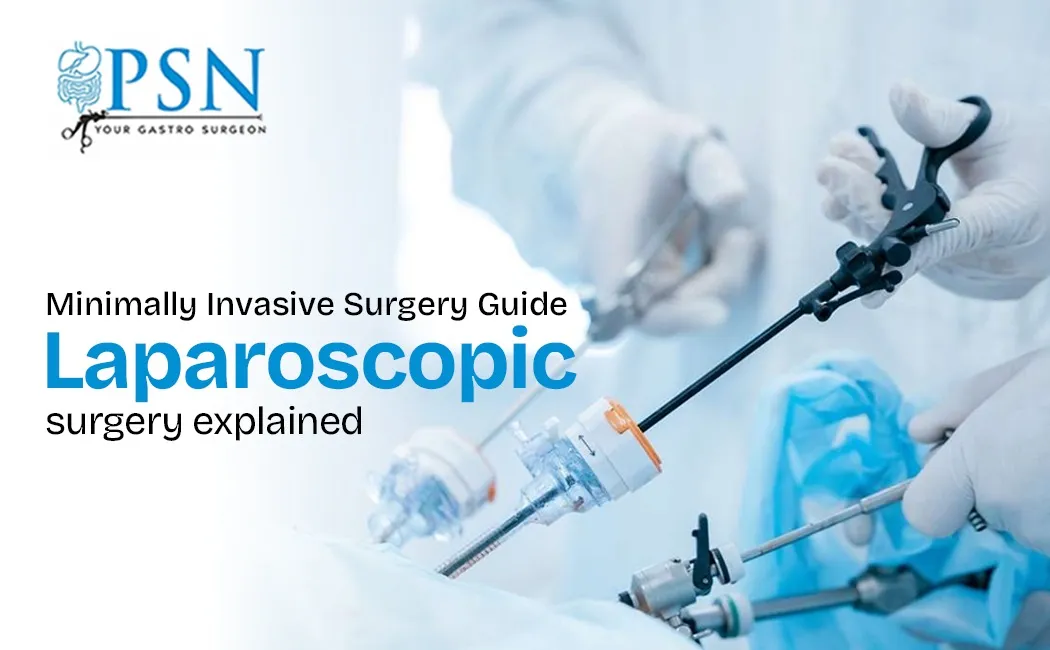
What is Laparoscopy? A complete guide to minimally invasive surgery
Modern medicine has transformed the way surgeries are performed, making them safer, faster and less painful. One of the biggest advancements is Laparoscopic surgery, a minimally invasive technique that allows doctors to perform procedures with small incisions instead of large cuts. This approach not only reduces recovery time but also minimizes complications, making it a preferred choice for many patients today.
What is Laparoscopy and how does it work?
Laparoscopy is a surgical procedure where a thin tube with a camera (called a laparoscope) is inserted into the body through a small incision. This camera transmits real-time images to a screen, helping the surgeon operate with precision.
How it works:
- Small incisions are made in the abdomen
- A laparoscope is inserted to view internal organs
- Surgical tools are guided through additional tiny openings
- The procedure is completed with minimal tissue damage
This technique is widely used in abdominal and pelvic surgeries.
Why is Laparoscopy considered minimally invasive?
Unlike traditional open surgery, laparoscopy requires only small incisions, which significantly reduces physical trauma to the body.
Key reasons:
- Less pain after surgery
- Minimal blood loss
- Smaller scars
- Faster healing process
Because of these advantages, Laparoscopic surgery has become a preferred option for both patients and doctors.
What conditions can be treated with Laparoscopy?
Laparoscopy is versatile and used across various medical fields.
Common conditions treated include:
- Gallbladder removal (Gallstones)
- Hernia repair
- Appendicitis
- Gynecological conditions (like ovarian cysts, fibroids)
- Digestive system disorders
Its precision allows surgeons to diagnose and treat issues effectively in a single procedure.
What are the benefits of Laparoscopic Surgery?
Patients often choose laparoscopy because of its numerous benefits over traditional methods.
Major benefits include:
- Shorter hospital stay
- Reduced risk of infection
- Faster return to daily activities
- Better cosmetic results (minimal scarring)
- Lower post-operative discomfort
These benefits make Laparoscopic surgery an ideal choice for many surgical procedures today.
What is the recovery process like after Laparoscopy?
Recovery after laparoscopy is generally quicker and smoother compared to open surgery.
Typical recovery timeline:
- Most patients return home within 24–48 hours
- Light activities can resume within a few days
- Full recovery usually takes 1–2 weeks
Doctors may recommend:
- Avoiding heavy lifting
- Following a proper diet
- Attending follow-up check-ups
Frequently Asked Questions (FAQs)
1. Is laparoscopy a safe procedure?
Yes, it is considered very safe when performed by experienced surgeons, with minimal risks compared to traditional surgery.
2. Will I feel pain after the procedure?
You may experience mild discomfort, but it is usually much less than open surgery and manageable with medication.
3. How long does the surgery take?
It typically takes between 30 minutes to a few hours, depending on the complexity of the condition.
4. Are there any visible scars?
Scars are very small and often barely noticeable after healing.
5. When can I return to normal activities?
Most people can resume normal activities within a week, depending on the procedure.
Conclusion
In today’s healthcare landscape, Laparoscopic surgery has revolutionized surgical treatments by offering safer, quicker and less invasive solutions. With its numerous benefits and faster recovery time, it continues to be a trusted choice for both patients and healthcare professionals seeking effective surgical care.
Take the first step towards safer surgery with expert care. Consult Dr. PSN today and experience advanced minimally invasive treatment.

 Call Now

