

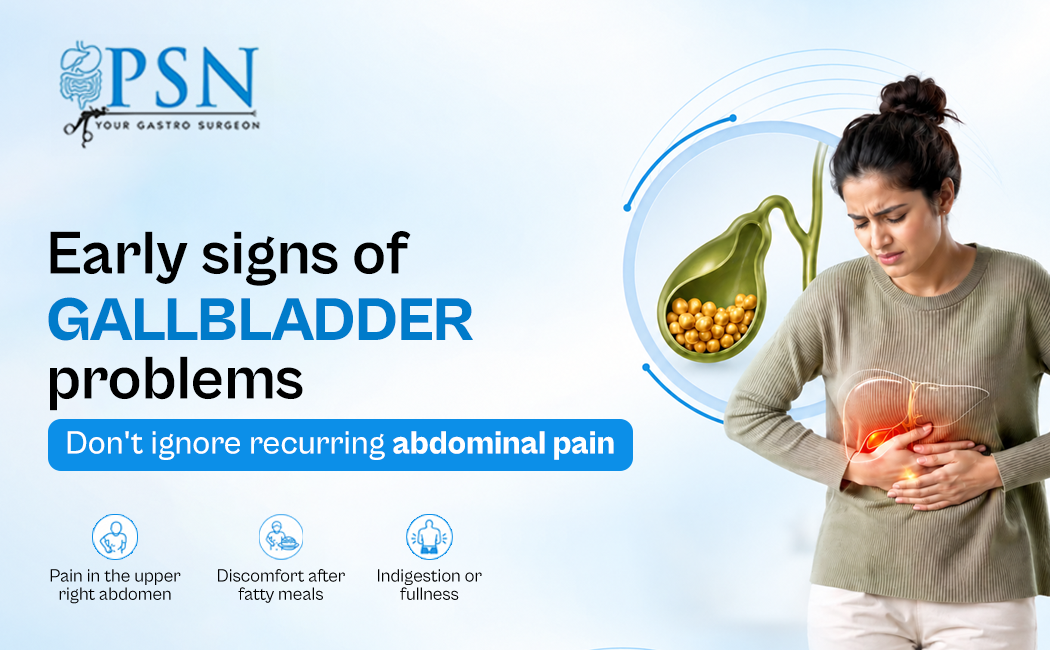
Gallbladder symptoms & early warning signs
Gallbladder problems often begin with mild discomfort that many people mistake for indigestion or acidity. However, recurring abdominal pain, nausea or discomfort after meals may indicate an underlying gallbladder condition.
The gallbladder is a small organ located beneath the liver that stores bile, a digestive fluid that helps break down fats. When gallstones form or the gallbladder becomes inflamed, it can cause pain and digestive problems.
Recognizing gallbladder symptoms and early warning signs is important for timely diagnosis. If you experience recurring upper abdominal pain, consulting a specialist for Gallbladder Treatment in Chennai can help identify the cause and suitable treatment options.
What are the common gallbladder problems?
Several conditions can affect gallbladder function, including:
- Gallstones: Hardened deposits that form inside the gallbladder.
- Cholecystitis: Inflammation of the gallbladder, usually caused by gallstones.
- Bile Duct Stones: Gallstones that move into and block the bile ducts.
- Gallbladder Polyps: Growths in the gallbladder lining, most of which are benign.
While some people experience noticeable symptoms, others may have gallstones without any discomfort.
10 gallbladder symptoms & early warning signs
1. Pain in the upper right abdomen
One of the most common gallbladder pain symptoms is discomfort beneath the right rib cage. The pain may begin suddenly, become intense and last from 30 minutes to several hours.
Recurring pain in this area should be evaluated by a healthcare professional.
2. Pain after eating fatty foods
Gallbladder pain may occur after consuming fried, oily or high-fat foods.
These foods stimulate the gallbladder to release bile. If a gallstone blocks the gallbladder outlet, this contraction may cause significant pain.
However, gallstone attacks can also occur without eating fatty foods.
3. Pain spreading to the back or shoulder
Gallbladder-related discomfort may spread from the upper abdomen to the right shoulder blade or upper back.
If this pain occurs repeatedly, particularly alongside upper abdominal discomfort, medical evaluation is recommended.
4. Nausea and vomiting
Nausea and vomiting may accompany gallstone attacks or gallbladder inflammation.
Although these symptoms are common in many digestive conditions, they should not be ignored when associated with severe abdominal pain.
5. Bloating and indigestion
Some people with gallbladder problems report bloating, fullness or indigestion after meals.
However, these symptoms alone do not confirm gallbladder disease because acidity, gastritis and other digestive conditions can cause similar discomfort.
For more information about specialist digestive care, read our previous blog on Choosing the Right Gastroenterologist in Chennai.
6. Recurring abdominal pain
Gallstone-related pain may disappear temporarily and return after days or weeks.
This can happen when a stone temporarily blocks the gallbladder outlet.
Repeated episodes of upper abdominal pain should be investigated even if the discomfort resolves on its own.
7. Fever and chills
Fever accompanied by upper abdominal pain may indicate gallbladder inflammation or infection.
This is not a typical symptom of uncomplicated gallstones and requires urgent medical evaluation.
8. Yellowing of the skin or eyes
Jaundice can occur when a gallstone blocks the common bile duct, preventing normal bile drainage.
Yellowing of the eyes or skin is an important warning sign requiring prompt medical attention.
9. Dark urine or pale stools
Bile duct obstruction may cause dark urine, pale-coloured stools and sometimes itching.
These symptoms can also occur with liver conditions, so proper diagnosis is essential.
10. Severe or persistent abdominal pain
Sudden, severe or prolonged abdominal pain may indicate a serious complication such as acute cholecystitis, bile duct infection or pancreatitis.
According to the National Institute of Diabetes and Digestive and Kidney Diseases (NIDDK), gallstone complications may require immediate medical care.
Seek emergency medical attention if severe abdominal pain occurs with fever, jaundice or repeated vomiting.
What causes gallbladder problems?
Gallstones develop when substances in bile, such as cholesterol or bilirubin, form hardened deposits.
Common risk factors include:
- Obesity or rapid weight loss
- Family history of gallstones
- Increasing age
- Pregnancy and hormonal changes
- Diabetes and certain metabolic conditions
Although lifestyle habits may influence the risk, gallstones can develop even in otherwise healthy individuals.
How are gallbladder problems diagnosed?
A specialist evaluates the patient's symptoms, medical history and physical examination findings.
Common diagnostic tests include:
- Ultrasound: Usually the first test used to identify gallstones and assess the gallbladder.
- Blood Tests: Help detect inflammation, infection and abnormalities involving the liver or pancreas.
- MRI/MRCP or CT Scan: May be recommended when bile duct stones or complications are suspected.
The investigations required depend on the patient's condition.
Gallbladder treatment in chennai: Available options
Treatment varies depending on symptoms, the presence of gallstones and the severity of the condition.
1. Monitoring and medication
Gallstones that do not cause symptoms may not require immediate treatment. Some patients can be monitored under medical supervision.
Medication may help relieve pain, although it does not routinely eliminate existing gallstones.
2. Laparoscopic gallbladder surgery
Laparoscopic cholecystectomy is a commonly recommended treatment for symptomatic gallstones.
The procedure removes the gallbladder through small incisions using a camera and specialized instruments.
For suitable patients, laparoscopic surgery may offer less postoperative discomfort and faster recovery compared with open surgery.
Learn more in our previous blog: What Is Laparoscopy? A Complete Guide to Minimally Invasive Surgery.
3. Other surgical and endoscopic treatments
Open surgery may be necessary in complex cases. When gallstones block the common bile duct, an endoscopic procedure called ERCP may be required.
For additional treatment information, visit the NHS Gallstones Guide.
When should you consult a gallbladder specialist?
Consult a specialist if you experience recurring upper right abdominal pain, discomfort after meals or previously diagnosed gallstones that have become symptomatic.
Early assessment can help identify the underlying condition and determine whether monitoring or surgery is appropriate.
If you are exploring Gallbladder Treatment in Chennai, learn more about Gallbladder Treatment and Surgery Services.
Severe persistent pain, fever, jaundice or repeated vomiting requires emergency medical attention rather than a routine appointment.
Why choose Dr. P. Senthilnathan for gallbladder treatment in Chennai?
Dr. P. Senthilnathan is a Chennai-based gastrointestinal and hepatopancreatobiliary surgeon with over 25 years of surgical experience.
His surgical expertise includes laparoscopic procedures, gallbladder surgery and complex gastrointestinal conditions.
Patients experiencing gallstone symptoms can consult him for an assessment, diagnosis and individualized treatment recommendations.
Frequently Asked Questions
1. What are the first signs of gallbladder problems?
Upper right abdominal pain is a common early symptom of gallstones. Pain may spread to the back or right shoulder and sometimes occurs with nausea or vomiting.
2. Can gallbladder pain go away on its own?
Yes. Gallstone pain may settle when a temporary blockage resolves. However, stones may remain and future attacks can occur.
3. Do all gallstones require surgery?
No. Asymptomatic gallstones often do not require treatment. Surgery is commonly recommended for recurring symptomatic gallstones or complications.
4. When is gallbladder pain an emergency?
Severe or prolonged abdominal pain, especially with fever, jaundice or repeated vomiting, requires immediate medical assessment.
Conclusion
Recognizing gallbladder symptoms and early warning signs can help prevent delays in diagnosis and treatment.
Recurring upper abdominal pain, nausea and discomfort after meals may indicate gallstones, while fever, jaundice and severe persistent pain can signal serious complications.
If you are experiencing gallbladder pain symptoms and looking for Gallbladder Treatment in Chennai, consult Dr. P. Senthilnathan for professional evaluation and personalized treatment guidance.
Book a Consultation: https://drsenthilnathan.in/contact-us

 Call Now

